Linux: Processes & System Resource Management for DevOps
About this course
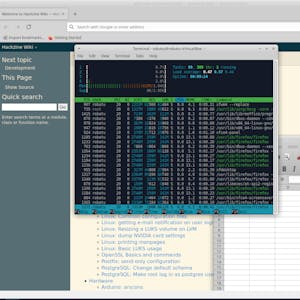
In this 1-hour long project-based course on Linux: Intro to process and system resource management for DevOps, you will be working entirely on the command line and using powerful Linux commands such as ps -ef, top, and pstree to learn how process and system resources work and are managed in Linux. You will be starting, stopping, searching and viewing running processes and seeing how they are all linked together in the process hierarchy. You will no longer be mystified by what these commands and options are doing, and you will be able to effectively start administering server processes. This course is designed for any person working or who intends to work with Linux, from Linux system administrators to developers and DevOps practitioners. Or even if you are a student who is curious to get comfortable with Linux this course is for you also. This is an intermediate level course and is designed for an individual who has a beginner's knowledge of the Linux/Unix command line and Unix crud practices in computer science. Note: This course works best for learners who are based in the North America region. We’re currently working on providing the same experience in other regions.
63/100
CourseAsk score
- What the provider tells you
- 39/45
- Who stands behind it
- 8/35
- How complete the listing is
- 16/20
Scores how much the provider publishes and who stands behind it — not how well it is taught.
What you'll learn
- understand how Linux processes work
- utilize commands such as ps -ef, top, and pstree
- manage server processes effectively
- navigate the process hierarchy
Course objectives
- provide practical skills for Linux process management
- enhance command line proficiency
- prepare learners for tasks in a DevOps environment
Price shown by Coursera — confirm on their site.
Enroll on CourseraYou'll be redirected to Coursera to complete enrollment.
- Listed & compared by CourseAsk
- English · 0

 Udemy
Udemy

 Coursera





Compared on these lists
Where this course ranks against the alternatives.