
Introduction to Magical Indian Folk Theatre SWANG
About this course
The origins of Indian drama are traced back to the Vedas, with the Natya Shastra by Bharat Muni (200 BC-200 AD) being the first comprehensive treatise on drama and dramaturgy. Early performance forms combined dance, music, and recitation, laying the foundation for both classical and folk traditions. After the classical Sanskrit tradition declined, various regional folk forms emerged, particularly from the 14th to the 19th centuries.1 MODULE - INTRODUCTIONDefine folk theatre: Contrast folk vs. classical theatre (formal vs. community-driven).Importance of theatre in rural communities 2 MODULE- HISTORYOrigin in Haryana and Western Uttar Pradesh; link to 18th–19th century.Connection to Bhakti poets like Surdas, Meerabai, and influence of saint poets.Role of local rulers in supporting Swang troupes.3 MODULE- CHARACTERICTS COSTUME, DANACE, MUSICMusical foundation: dholak, sarangi, nagada, harmonium.Singers narrate while actors dramatize.Role of folk songs, ragas like Bhairavi, Kafi, and Pilu.4 MODULE- SWANG AND SOCIETYMythological: Ramayana, Mahabharata, Krishna leela.Romantic: Tales of Heer-Ranjha, Laila-Majnu.Social: Justice, morality, rural life issues.Comedic: Satire on greedy landlords, corrupt officials.5 MODULE- DECLINE AND SURVIVAL OF SWANGDecline due to cinema, television, urban migration.Reduced patronage and audience interest.Government and cultural institutions’ revival efforts.Role of modern troupes and cultural festivals in sustaining Swang.Visuals: Government posters, cultural preservation projects.CONCLUSION
69/100
CourseAsk score
- What the provider tells you
- 45/45
- Who stands behind it
- 8/35
- How complete the listing is
- 16/20
Scores how much the provider publishes and who stands behind it — not how well it is taught.
What you'll learn
- understand the differences between folk and classical theatre
- gain knowledge about the history and origins of Swang
- recognize the role of music and dance in folk theatre
- discuss the societal themes represented in Swang
- examine the decline of Swang and preservation efforts
Course objectives
- to define and contrast folk and classical theatre
- to trace the origins and evolution of Swang
- to explore key characteristics such as costume, music, and dance
- to analyze the societal and mythological themes in Swang
- to assess the contemporary challenges and revival efforts of Swang
Price shown by Udemy — confirm on their site.
Enroll on UdemyYou'll be redirected to Udemy to complete enrollment.
- Listed & compared by CourseAsk
- English · 0
More courses like this
 edX
edX
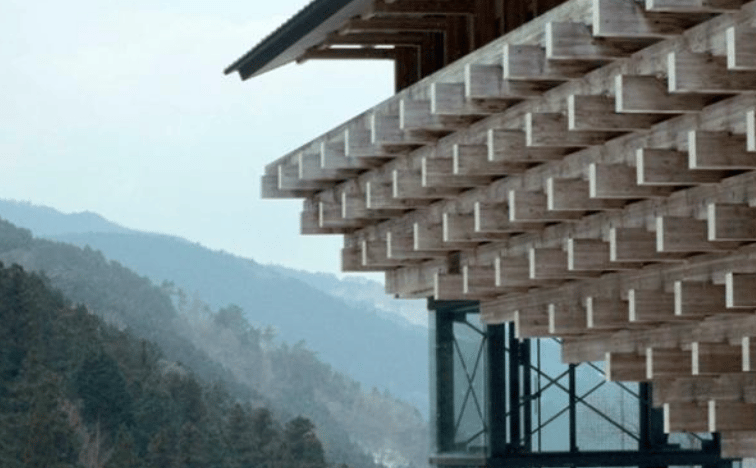
Four Facets of Contemporary Japanese Architecture
The University of Tokyo · MOOC / Non-credit
![[마이크임팩트 GMC] 결핍 없이 욕망할 수 있는가](https://i.udemycdn.com/course/480x270/4490290_0e54_3.jpg)
 Udemy
Udemy


